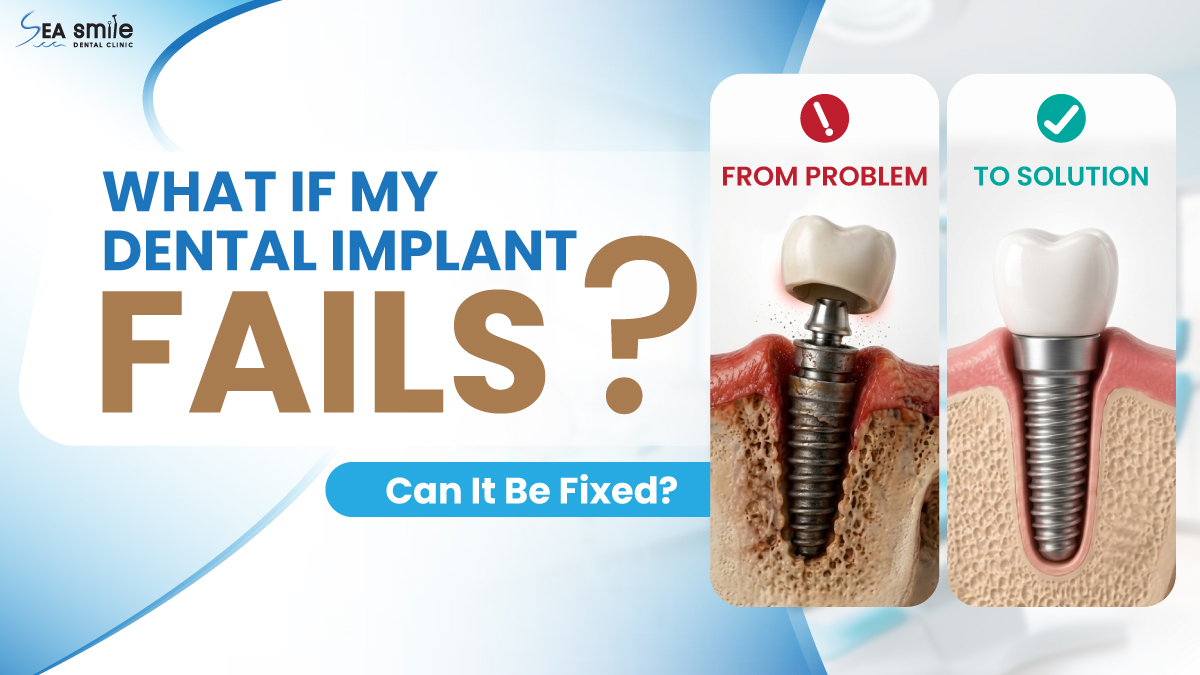
What If My Dental Implant Fails? Can It Be Fixed?
Table of Contents
Dental implants have transformed modern dentistry and are widely regarded as the gold standard for replacing missing teeth. Their success rates are exceptionally high, making them one of the most predictable long-term dental treatments available.
However, many patients still share the same concern:
“What happens if my dental implant fails?”
The good news is that implant failure is rarely the end of your smile journey. Whether the problem occurs shortly after placement or many years later, modern implant dentistry offers highly effective solutions for restoring both function and aesthetics.
This guide explains what implant failure actually looks like, why it happens, and how experienced implant specialists can often successfully correct the problem.
Understanding Implant Failure: It Is Rarely a Dramatic Event
When patients hear the term “implant failure,” many imagine a sudden catastrophic event, such as an implant falling out unexpectedly.
In reality, implant failure is usually a gradual process.
Common warning signs may include:
- Slight implant mobility
- Persistent gum inflammation
- Bone loss visible on X-rays
- Bad taste or unpleasant odor
- Discomfort while chewing
- Ongoing tenderness around the implant
Because implant failure often develops slowly, early diagnosis significantly improves the chances of successful treatment.
Phase 1 – Early Implant Failure
Early implant failure occurs during the healing phase before the implant has successfully integrated with the surrounding jawbone.
This critical biological process is known as osseointegration.
When osseointegration fails, the implant does not achieve a stable connection with the bone.
Common Causes of Early Implant Failure
Possible causes include:
- Poor bone quality
- Inadequate initial stability
- Excessive implant movement during healing
- Surgical site infection
- Heavy smoking
- Uncontrolled medical conditions such as diabetes
Although early failure can be disappointing, it does not mean that future implant treatment is impossible.
How Early Implant Failure Can Be Fixed
Fortunately, early implant failure is often highly treatable.
A typical treatment approach may include:
1. Removal of the Failed Implant
The failing implant is carefully removed to prevent further complications.
2. Site Cleaning and Healing
The area is thoroughly cleaned and allowed to heal properly.
3. Reassessment of Bone Quality
The dentist evaluates bone volume, density, and overall healing before planning the next step.
4. Implant Replacement
Once healing is complete and contributing factors have been addressed, a new implant can often be placed successfully.
Patients who experience an early implant failure can frequently achieve excellent outcomes with a second attempt.
Phase 2 – Late Implant Failure
Late implant failure occurs months, years, or even decades after an implant has already integrated successfully.
Unlike early failure, late failure is typically caused by problems that develop over time.
1. Peri-Implantitis
Peri-implantitis is the most common cause of late implant failure.
This inflammatory condition affects the tissues surrounding the implant and can lead to progressive bone loss if left untreated.
2. Chronic Mechanical Overload
Excessive forces caused by teeth grinding or clenching can place long-term stress on the implant and surrounding bone.
3. Poor Oral Hygiene
Inadequate plaque control increases the risk of inflammation and peri-implant disease.
4. Prosthetic Design Problems
Poorly designed crowns or bite imbalances may create excessive stress on the implant over time.
Because late failure develops gradually, regular maintenance appointments play an important role in early detection.
How Late Implant Failure Can Be Fixed
Treating late implant failure often requires a more comprehensive approach.
1. Implant Removal
The compromised implant may need to be removed.
2. Infection Control
All infected or inflamed tissue must be carefully eliminated.
3. Bone Grafting
Many late failure cases involve significant bone loss.
Bone grafting may be required to rebuild lost bone volume and create a stable foundation for future treatment.
4. Healing and Reconstruction
Following grafting, a healing period allows the new bone to mature and stabilize.
5. Re-Implantation
Once adequate bone support has been restored, a new implant can often be placed successfully.
When the underlying causes of failure are addressed, re-implantation success rates are generally very favorable.
The Emotional Impact of Implant Failure
Experiencing implant failure can be frustrating and emotionally challenging.
Many patients feel disappointed after investing significant time, money, and hope into treatment.
However, implant failure should not be viewed as a permanent setback.
Thousands of failed implant cases are successfully corrected every year through modern reconstructive techniques and comprehensive treatment planning.
Most patients can still achieve excellent long-term outcomes when appropriate corrective care is provided.
The Most Important Step: Identifying the Root Cause
The key to successful retreatment is not simply replacing the failed implant.
The real objective is identifying why the implant failed in the first place.
Before planning corrective treatment, dentists should evaluate:
- Bone quality
- Oral hygiene habits
- Smoking status
- Bite alignment
- Bruxism (teeth grinding)
- Medical conditions
- Previous treatment design
Correcting these risk factors significantly improves the likelihood of long-term success.
Common Risk Factors That Must Be Addressed
- Smoking
- Poor plaque control
- Uncontrolled diabetes
- Excessive bite forces
- Untreated bruxism
Many patients may also benefit from a custom night guard to protect their implants from excessive stress.
Implant Failure Is Often Fixable
Although implant failure can be discouraging, it is rarely the end of treatment.
Modern implant dentistry offers highly predictable solutions that may include:
- Implant removal
- Bone grafting
- Site reconstruction
- Re-implantation
- Alternative restorative solutions
The most important factor is identifying and correcting the underlying cause before beginning retreatment.
With proper diagnosis, advanced planning, and experienced surgical care, many patients can successfully rebuild their smiles and regain long-term confidence.
Book an Online Consultation
Concerned about a failing dental implant or looking for a second opinion? Our experienced implant specialists can review your X-rays, evaluate the cause of the problem, and recommend the most appropriate treatment options before you travel. Book Now Click